
Search
111 items
-
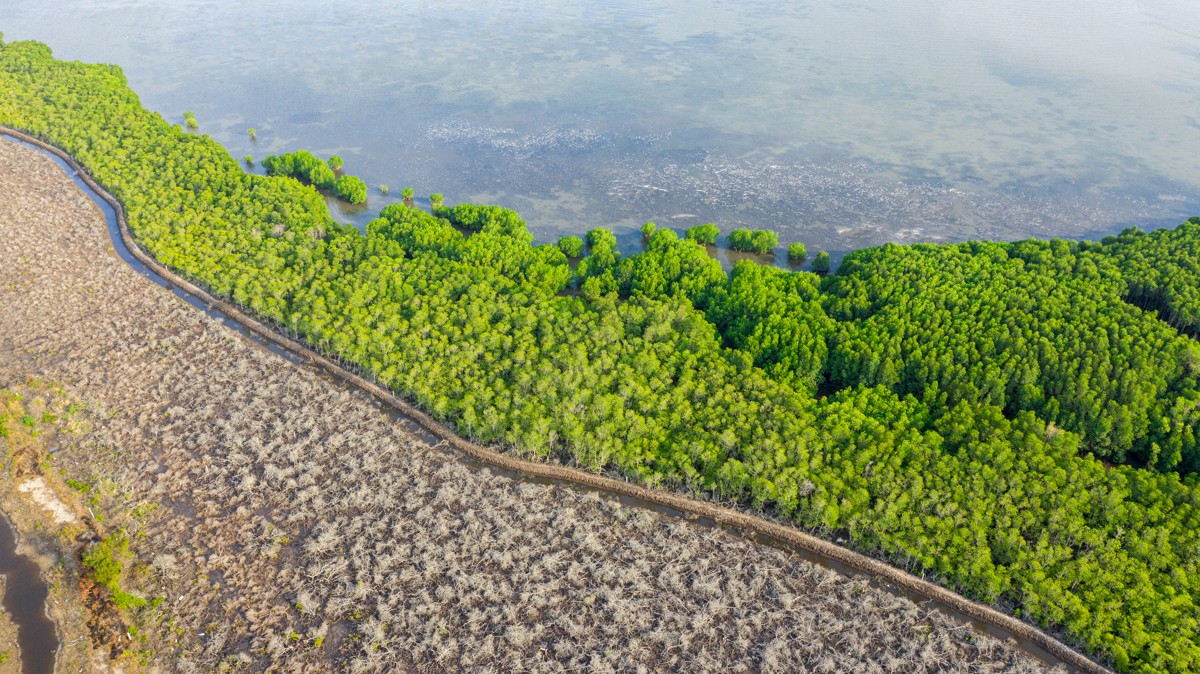
Applying the hard lessons of coronavirus to the biodiversity crisis
In this article, Jamison Ervin, Manager of Nature for Development at UNDP, summarizes key lessons we have learned during the Covid-19 pandemic and how these can be applied to environmental protection efforts. -

Mercury Pollution a Concern of Evangelical Environmental Network
This article talks about mercury pollution and the pressing issues in need of attention and advocacy. The pro-life evangelicals have been pushing for more restrictions and regulations relating to mercury. This article intends to show how mercury poisoning hurts human lives and its different aspects that have long been overlooked. -
How Religion Influences Our Relationship With the Environment
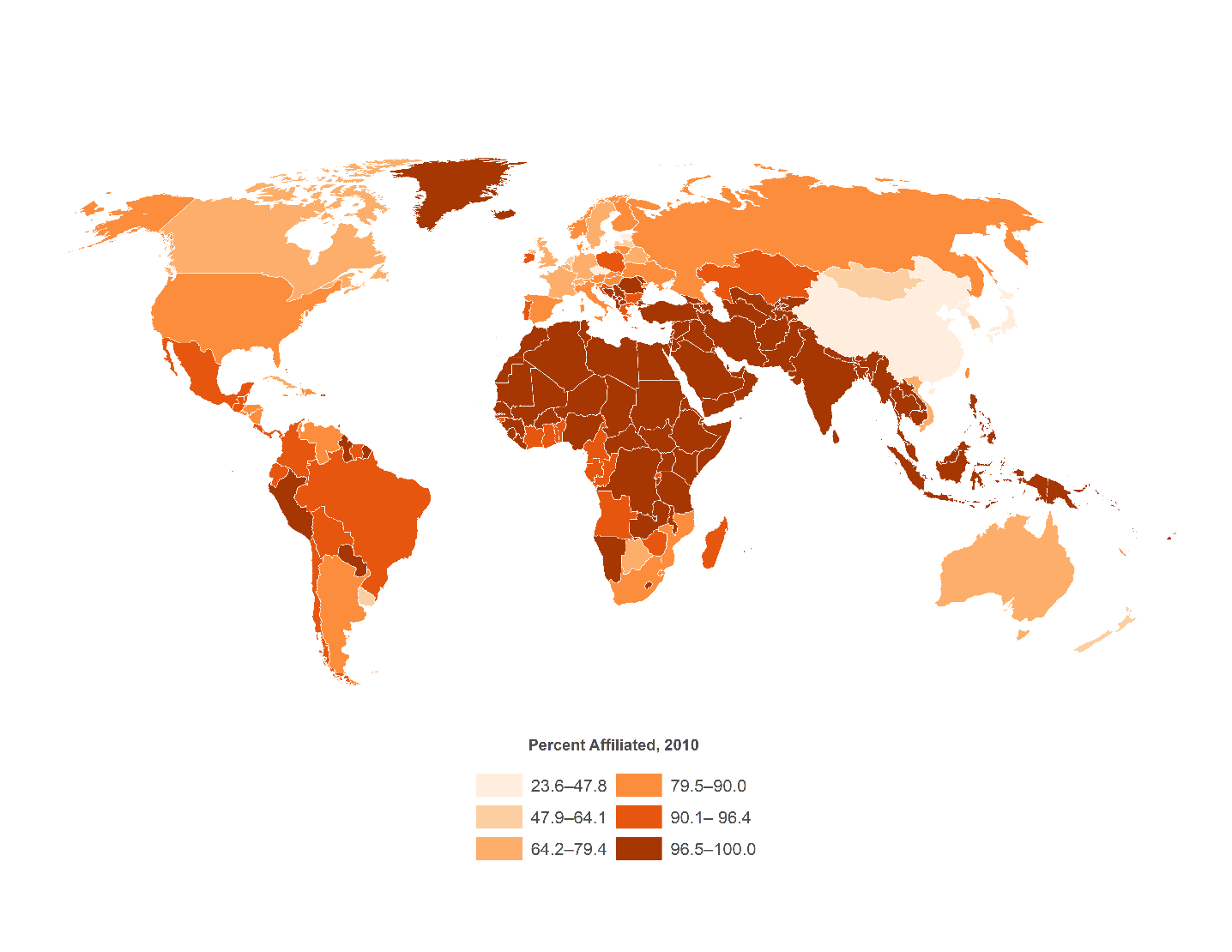
This article, drawing references from a study in the Journal of Religion and Demography, summarizes how religions influence many environmentally relevant behaviors.
The author and his colleagues discovered that countries with a lower religious population utilize more resources and emit more emissions, but they are also better prepared to deal with the environmental difficulties that emerge since they are wealthier. On the other hand, countries with more religious populations tend to use fewer resources, but they also have less capability to address environmental concerns and are more vulnerable to negative consequences, owing to their high levels of poverty and continued population increase.
The link between religion, poverty, environmental impact, and governance is intricate and ever-evolving; the field continues to call for more research. -

People of faith are allies to stall climate change (Nature Magazine)
Tobias Müller is a political scientist who studies how religious groups respond to problems, from environmental crises to domestic violence to racism. In this article, he explores changes in the intersection of climate science and communities of faith. Müller shares with us patterns he's observed and strategies he's learned in his years in the field that help strengthen collaboration and the power to pursue climate justice. Some core ideas include:
1. Collaborate with religious scientists and local leaders.
2. Stories speak louder than graphs.
3. Talk about what matters to you and your audience. -

The 12 Principles of Permaculture: A Way Forward
This blog article describes the basics of permaculture (permanent culture). Permaculture is rooted in the observation of natural systems and indigenous knowledge. The author introduces the solution permaculture offers to help us transition to a more resilient, ethical, and sustainable future better for the planet and its inhabitants. -

How faith-based organizations are restoring nature
Many ecosystems around the world, from forests to coral reefs, are in decline, victims of pollution, climate change and resource extraction.
But faith-based organizations are increasingly stepping in to help repair these natural spaces. From projects to save Ethiopia's forests to yogic farming in India to botanic gardens in Qatar, in many cases, religious leaders have become environmental influencers, championing nature-based solutions that experts say are crucial to saving the ecosystems that underpin human society. -
Perception of Environmental Hazards in Hong Kong Chinese
Perception of Environmental Hazards in Hong Kong Chinese gives a wide variety of types of information. The article describes many of the major environmental risks that are happening in Hong Kong. Along with the description, it gives very detailed statistics of what major environmental issues are perceived by citizens in Hong Kong. It ranks the importance of these issues based on categories of the issues and of the citizens.
This article also provides a connection of these issues to the values of the Hong Kong citizens' culture, especially focusing on the impact of Confucianism. It goes into depth on how the religion molds their perception of the environment, and humans role and impact on it. There is a focus on how they perceive humanity's role in the world, and how it relates to sustainability, and specific risks that they perceive. -
Educational Programme: “The Use of Plants in the Worship of the Orthodox Church” and Its Contribution in Shaping Values of Sustainability
The goal is to connect children to nature with plants that have symbolic value to the bible. They created a Sunday School curriculum that will teach kids the value of having a connection with nature and God. 73% of the students that went through the course said that they cared more about the environment after taking the course. -

Catholic Times Article on World Day of Prayer for the Care of Creation
A New Work of Mercy: Care for our Common Home is an article from The Catholic Times that focuses on caring for our Earth from a global perspective. The following paragraph sums up Pope Francis's reasoning, in part, for introducing World Day of Prayer for the Care of Creation:
"Until the last few hundred years, most people had a local sphere of influence. It was sufficient to love your immediate neighbor as yourself. But in our globalized economy, we participate in systems that affect our brothers and sisters in the farthest reaches of the planet, most of whom we will never meet. Pope Francis points out the ecological debt between the global north and south caused by 'the disproportionate use of natural resources by certain countries' (LS 51). In proposing care for our common home as a work of mercy, he is inviting us to expand our concept of neighbor yet again."
-
How to Decolonize Your Thanksgiving Dinner
"If your favorite meats, legumes, vegetables, and fruits could talk to you this Thanksgiving, they would probably tell you all about the historical traumas that they've endured as they traveled and evolved through the Old World, New World, and finally as components in your favorite dish.
Welcome to the world of decolonial cuisine, a culinary movement with the goal of getting people with indigenous roots to honor their heritage through their dietary choices. In addition, the movement aims to simply allow people to become more conscious of where their food comes from and how it got there." -

Golden Temple, Grey Air: Pollution in Amritsar
This article describes how increasing tourist activity and reliance on the Bhgatanwala dumping site is creating air pollution that is threatening the integrity of the Golden Temple in India. While the Management Committee Golden Temple (SGPC) has taken action to reduce pollution from its kitchen and energy production, the government is failing to intervene and reduce pollution in surrounding areas.