
Items
-
 Religious Americans Demand Climate Action This article offers a unique perspective on the intersection of environmentalism, religion, and politics. On the one hand, the current established consensus of virtually all religious groups is that climate change is real and human-induced, with certain religious groups placing extra pressure on politicians to advance climate legislation quickly. On the other hand, politicians have interacted with important religious leaders to rouse motivation among congregations to mitigate the effects of climate change. The article also includes actions being taken by religious groups toward fighting climate change on both national and local platforms.
 -
 Lakeside Chautauqua Environmental Sustainability Lakeside Chautauqua, a broadly Christian organization historically associated with the mainline Methodist church, routinely hosts environmental sustainability lectures from experts in the field. Some lectures are merely science-based while others are more intently focused on the spiritual aspects of environmental stewardship. A multitude of different topics are discussed, from local topics affecting Lake Erie to worldwide environmental stewardship.
 -
 Season of Creation 2022 Kick-Off Various church leaders including those within the ecumenical Catholic communion (including various sub-traditions of Anglicanism and Eastern Orthodoxy) met on June 23, 2022, to unveil this year's theme for the Season of Creation, which is "Listening to the Voice of Creation". This year's symbol is the burning bush as a reference to God speaking through Creation about the effects of climate change.
 -
 Bellwether Farm Bellwether Farm is a Christian organization which applies Biblical principles of creation stewardship to land use sciences to provide hands-on environmental education to the public on responsible land use. Responsible land use benefits human society and the earth both physically and spiritually, and this beautiful farm offers programs that help to exemplify this principle. Bellwether Farm routinely partners with the Episcopal Diocese of Ohio to educate the members of its congregations on environmental stewardship.
 -
 The Bhumi Project Hindu Plans for Generational Change This article outlines the Bhumi Project's nine-year plan to encourage better environmental practices among Hindu communities. This plan is broken down into three sections: Networking, Action, and Education. These sections are derived from Hindu traditions and creatively suggest how such traditions can be tailored to be more environmentally friendly. The Network section details how the plan will be dispersed throughout Hindu communities and provides incentives for those who choose to follow the plan. The Action section focuses on what can be done at the organizational and individual level to promote sustainability in Hindu communities. The Education section of the plan discusses how the Bhumi project intends to provide informative resources for communities, schools, and priests to learn about the interconnectedness of the Hindu faith and the environment. Overall, the Bhumi Project intends to inform Hindu communities about environmental issues and encourage them to adopt pro-environmental behaviors that are in line with the Hindu faith and traditions.
 -
 Should Rivers Have Right? A Growing Movement Says It’s About Time “Should Rivers Have Rights?," published through the Yale School of Environment, addresses not only the growing impact of river degradation but also the spiritual connection that indigenous cultures have with river systems around the world. Attributing legal rights to rivers and other bodies of water will contribute to their protection from further human pollution as well as restoration of these natural areas. Through legal policy, rivers can be brought back to a safe state of equilibrium while also being preserved for indigenous groups.
 -
 The Miracle Garden The Miracle Garden is a non-profit organization founded in 2014 with the intention to convert vacant lots in the Columbus area into gardens that provide healthy produce for food-insecure areas. This organization relies on volunteers to maintain the garden and donate supplies, which provides a great opportunity for churches to volunteer outdoors while serving the local community and bringing about positive change.
 -
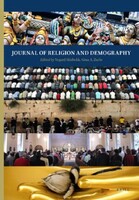 Religious Affiliation and Environmental Challenges in the 21st Century This paper researches the relationship of religion and environment in the 21st century. They do this by studying religious affiliations from all over the world, and comparing and contrasting their results to examine the impacts those affiliations have on the environment.